Every year, thousands of baseball players ask the same question: can I just show up and try out for a Major League team? The idea of mlb open tryouts 2026 sounds like a movie plot — an unknown walks onto the field, impresses the scouts, and signs a contract by sunset. Learn how Major League Baseball teams scout talent. The reality is less cinematic but still real: open tryouts exist, a small number of players do get signed through MLB open tryouts 2026 events, and knowing how they actually work is the difference between a wasted trip and a genuine opportunity.
For live scores and results from the pro game while you chase the dream, see our baseball hub.
What Are MLB Open Tryouts?
An open tryout is exactly what it sounds like: a workout, run by a professional club, that anyone who meets the eligibility rules can attend — no invitation needed. You register (sometimes in advance, sometimes at the gate), pay a fee if there is one, and perform a standardized set of drills in front of the organization’s scouts and coaches.
Here is the part most people get wrong: most MLB clubs rarely hold open tryouts anymore. The MLB open tryouts 2026 calendar is thinner than fans expect. With the Major League Scouting Bureau dissolved and scouts spread thin across showcases, travel ball, and college seasons, only a handful of MLB teams still run them — usually in the summer, often after the annual MLB draft in June. If you search “mlb tryouts near me” expecting 30 teams with open doors, you will be disappointed. But the door is not fully closed: some MLB organizations still hold them, and independent professional leagues hold open tryouts every single year.
How MLB Open Tryouts Work: The Step-by-Step Format
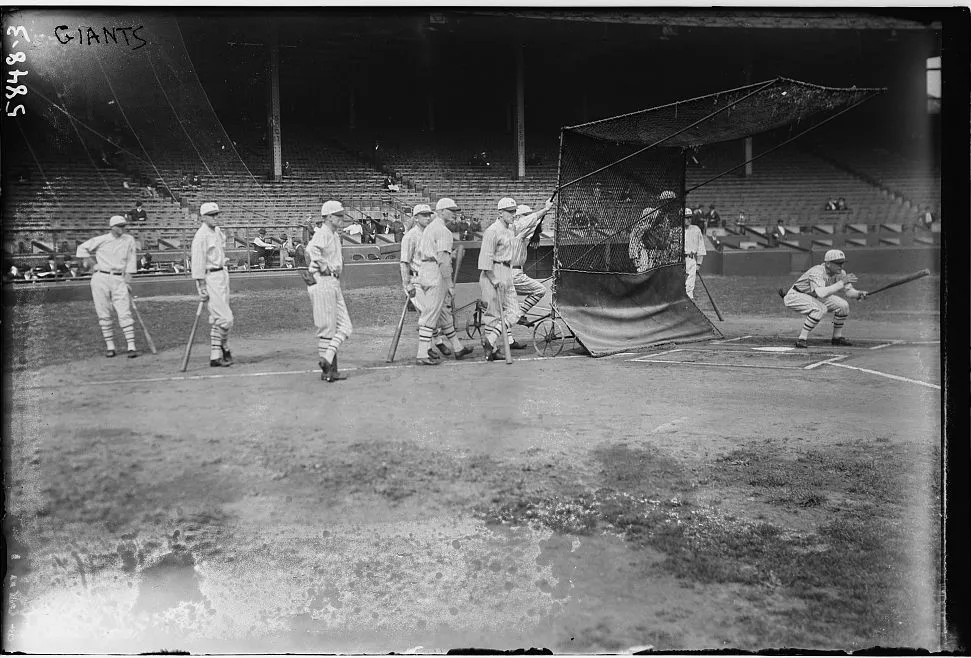
While every club runs its own version, the format is remarkably consistent across baseball. Here is what a typical MLB open tryouts 2026 session looks like.ical day looks like:
- Check-in and registration. Arrive early — lines are long. You will sign a waiver, show ID, get a tryout number, and sometimes pay the fee on the spot. The Boise Hawks’ 2026 open tryout, for example, ran check-in from 8:00 to 8:30 a.m. with the workout starting promptly at 9:00.
- The 60-yard dash. Everyone runs. This is the first filter, and it is ruthless. The Major League average for the 60 is around 6.8 seconds, and scouts have said that anything in the 7.5–8.0 range simply will not cut it at an open tryout. If you cannot run, the day is effectively over before it starts.
- Defensive workout. Infielders take ground balls, outfielders show their arms with long throws, catchers are timed on pop times to second base. Scouts are grading arm strength, footwork, hands, and range — not just whether you field it cleanly.
- Batting practice. Each hitter typically gets a short round of swings. Scouts watch the swing path, bat speed, and whether there is real power — not whether you hit it over the fence that day.
- Bullpens for pitchers. Pitchers throw a short bullpen session while scouts watch velocity, command, and the shape of secondary pitches. As one longtime farm director put it: “We just put them on a mound and see what comes out of their hand.”
- Callbacks. The best performers may be invited back for a second day — often a live intersquad game where pitchers face hitters in game situations. The Boise Hawks invite select players back the next day for exactly this.
The whole thing usually wraps by early afternoon. Hundreds of players can cycle through in a single morning — the Texas Rangers once drew more than 300 hopefuls to a single open tryout at the Dell Diamond in Round Rock.
Eligibility, What to Bring, and How to Prepare
MLB open tryouts 2026 requirements vary by organization, but the common ones are:
- Age: Most pro tryouts require you to be at least 18. Historically, MLB-affiliated open tryouts listed 16 as the minimum age for U.S. events. Check the specific event — the rules are always posted with the announcement.
- Amateur status: If you still have college eligibility and want to keep it, understand the rules before accepting anything. Signing a pro contract ends amateur status.
- Registration and fee: Many tryouts charge a fee (the Boise Hawks charged $100 in 2026). Some require advance online registration; walk-ups are not always accepted.
- Your own equipment: Bring everything — cleats, baseball pants, glove, bat, batting helmet, catcher’s gear if applicable. Organizations do not supply equipment.
How to prepare: Train the test. The 60-yard dash decides whether scouts keep watching, so sprint training matters as much as hitting. Take batting practice off live pitching, not just machines. Pitchers should arrive with their arms built up to throw a full bullpen at game intensity. And be realistic about your measurables — if your 60 time, throwing velocity, or exit velocity are not close to professional standards, a tryout will confirm that rather than hide it.
Finding one near you: Tryouts are announced on team websites and social media, usually a few weeks out. Set up a Google Alert for “MLB open tryouts” so announcements land in your inbox automatically — Google’s help page walks through how alerts work. When you find a date, put it in your calendar with a reminder well in advance; Google’s help page explains how to create a calendar event so a short-notice announcement does not slip past you.
The Honest Truth: Realistic Odds and Real Success Stories
Let us be direct: the odds of getting signed at an open tryout are extremely low. Thousands of players attend these events every year, and only a tiny fraction sign anything. A former Major League farm director was blunt about it: in two years of running open tryouts with the Dodgers, the club signed exactly one player — and released him quickly. Teams often run tryouts as much for community connection as for talent discovery, and they do not plan on finding a player.
That is not the whole story, though. The independent leagues are where open tryouts genuinely change lives:
- David Clarke, a pitcher from Palo Alto, earned a contract at the Oakland Ballers’ 2026 open tryouts at Raimondi Park and an invitation to spring training.
- James Colyer showed up to the Ballers’ 2025 open tryouts, made the team, helped win the Pioneer League championship — and later signed with the Washington Nationals organization.
- Kelsie Whitmore earned a roster spot at the Ballers’ 2024 open tryouts, became the first woman ever to start a Pioneer League game, and later became the No. 1 overall pick in the Women’s Pro Baseball League.
The lesson: treat an MLB open tryout as a lottery ticket with real but tiny odds, and treat independent-league tryouts as the more realistic door into professional baseball. Go in with your eyes open, compete hard, and value the experience — measuring yourself against high-level competition and getting seen by professional evaluators is worthwhile even if no contract follows.
If You Don’t Get Signed: Other Paths to Pro Baseball
Most professional players never attend an open tryout at all. The standard routes into pro ball are:
- The MLB Draft. Held every June, the draft is how the vast majority of American players enter affiliated ball. Get seen by playing high-level high school, junior college, or four-year college baseball — scouts find players through games, not emails.
- College baseball. From junior college to Division I to the College World Series in Omaha, college ball is the single biggest pipeline to the draft. If you are young enough, this is a far better investment than chasing tryouts.
- Independent leagues. Leagues like the Pioneer League, Atlantic League, and American Association sign players outside the MLB system — and hold the most accessible open tryouts in pro baseball. Strong independent-league performance is a proven springboard: organizations buy contracts from independent clubs every season.
- Showcases and travel ball. For younger players, reputable showcases put verified measurables (60 time, exit velocity, throwing velocity) in front of scouts far more efficiently than a single tryout day.
If you are brand new to the sport and still learning how it all fits together, our baseball guide for beginners explains the rules, positions, and structure of the game from the ground up.
Final Thoughts
MLB open tryouts in 2026 are real but rare — a handful of MLB clubs still hold them, independent leagues hold them every year, and the format is the same everywhere: run, field, hit, throw, and hope your measurables stand out among hundreds. Go in honest about the odds, which are brutally long, but do not let that stop you from preparing properly and competing. And remember the bigger picture: the draft, college baseball, and the independent leagues have launched far more careers than open tryouts ever will. The tryout is one door — make sure you are knocking on the others too.
FAQs
Do MLB teams hold open tryouts?
Only a handful still do. With the Major League Scouting Bureau dissolved, most MLB clubs evaluate players through the draft, college baseball, and showcases. Open tryouts are far more common — and more productive — in the independent leagues.
How old do you have to be to try out for MLB?
It depends on the event. Most professional tryouts require players to be at least 18; historically, MLB-affiliated open tryouts listed 16 as the minimum age for U.S. events. Always check the specific tryout announcement for its age rules.
What happens at an MLB open tryout?
A standardized workout: check-in, the 60-yard dash, defensive drills (infield, outfield, catcher pop times), a round of batting practice, and bullpen sessions for pitchers. Standouts may be invited back for a second day of live game action.
How much does it cost to attend an MLB open tryout?
Many tryouts charge a registration fee — for example, the Boise Hawks charged $100 for their 2026 open tryout. Fees, equipment (which you supply yourself), and travel are all on you.
What are the chances of getting signed at an open tryout?
Extremely low. Thousands attend MLB open tryouts 2026 events each year and only a tiny fraction sign. See the MLB draft for the main talent pipeline. Independent-league tryouts offer better odds — players like James Colyer parlayed a 2025 open-tryout contract into a deal with the Washington Nationals organization.